
Yoke vs Joystick for Flight Simulation: You're Asking the Wrong Question

Steve | G-LOC MEDIA
Flight simulation enthusiast and YouTuber
Don't pick between a yoke and a joystick - buy them in order. Start with a cheap joystick (I recommend the Thrustmaster T.Flight HOTAS) because a stick flies every aircraft type in a way that can feel fairly natural, while a yoke only feels right in aircraft types that use one. (For example, flying an F18 with a yoke might feel a bit off) Fly for a few months, work out what planes you actually enjoy, then make a decision based on the type of plane you gravitate towards. If it's a yoke, that's when you buy one - Something like the Honeycomb Alpha will take you a long way. If its a stick your also now in a better position to upgrade with a bit more confidence.
Yoke or joystick is one of the first questions everyone asks when they get into flight simulation, and almost every article answering it is written by a company that sells yokes. I'm not. I've flown yokes from Logitech, Honeycomb, Simionic, MOZA and Brunner, plus more joysticks than I can count, and I don't make hardware. So here's the answer nobody selling you a yoke will give you: for most people starting out, it's not a versus at all. It's a sequence. You start with a cheap joystick, you figure out what kind of pilot you actually are, and then you spend real money once, in the right direction. Let me walk you through why.
Is a yoke or a joystick better for flight simulation?
A cheap joystick is the better first purchase for almost everyone, and it's not because of price alone. It's because of a compatibility asymmetry that nobody talks about.
With a joystick, most aircraft feel natural to fly. Sticks, sidesticks, warbirds, helicopters, airliners, even yoke-equipped GA planes are perfectly flyable on a stick. With a yoke, any aircraft that uses a stick in the real world feels wrong. Fly an A320 or a Spitfire on a yoke and something just feels off. So the stick flies everything in a more natural way, while the yoke flies yoke-aircraft brilliantly.
That asymmetry matters most when you're new, because you don't yet know what you'll end up flying and most people come into flight simulation with and Idea of where they're heading and then gravitate in a completeley different direction. Which brings me to the actual thesis of this article.
Why you should buy a cheap joystick first
This hobby is a rabbit hole. You might think you know exactly what you want to fly, but flight sim has a way of taking you somewhere you didn't expect. Plenty of people buy in dreaming of airliners and end up bush flying in a Cub. Some come for the scenery and end up deep in cold-and-dark procedures.
A cheap joystick is your discovery tool. It lets you test the waters, find the genre of flying that actually hooks you, and only then commit serious money with confidence that you're heading in the right direction.
The one I recommend is the Thrustmaster T.Flight HOTAS, and the reason isn't just the price. It's the cheapest unit I've used that keeps your hands off the mouse and keyboard. A bare-bones stick with four buttons still has you reaching for the keyboard every thirty seconds, which makes the whole experience feel like a chore. The T.Flight's throttle and button count means your discovery period is actually enjoyable enough to survive. I've done a full review of it here:
One thing worth being honest about: at the budget end, both cheap yokes and cheap sticks are pretty rough around the centre of their axes. Neither wins on feel down there. Which means at entry level, the tiebreakers are versatility and price, and the stick wins both. A joystick also takes up way less desk space and works across MSFS, X-Plane, DCS and any other game you play. A budget yoke has no argument at this price point.
When should you upgrade from a joystick to a yoke?
There are two stages to get through first.
Stage one:
Did the hobby stick? Simple question. After a few months, are you still flying? If the answer's no, you're out the cost of a pizza night instead of several hundred dollars.
Stage two:
Do you know what you like to fly? Not what you thought you'd fly. What you actually load up, week after week.
Once you know your genre, there's one more check before you buy: what's in the real cockpit of the planes you keep coming back to? If it's the Cessna 172, a Baron, or a Boeing, those aircraft use a yoke, and matching that gives you a genuinely more authentic result. If it's an Airbus, a fighter, or helicopters, the stick was the right call all along and your upgrade path is a better stick, not a yoke.
One clarification on "authentic": it means matching the control "type", not replicating a specific aircraft. You don't need a licensed 737 yoke to fly the 737 properly. Any decent yoke gets you the one-handed, push-pull control that transfers.
And is a yoke easier? In my experience, yes, for the planes it suits. The push-pull pitch and rotating roll are physically separate movements, so you stop cross-contaminating axes the way you do on a stick, where pulling back in the flare drifts you left without meaning to. That separation is the thing you can't appreciate until you've felt it.
Which yoke or joystick should you buy at each stage?
Every one of these is something I've personally flown and reviewed. This isn't an aggregated list.
Starting out:
Thrustmaster T.Flight HOTAS. Cheapest path to hands-off-keyboard flying. Buy this, fly everything, learn yourself. Full review
Graduating to GA or Boeing:
Honeycomb Alpha. This is the yoke that will take you a long way. It's the confident first-yoke pick once your discovery period points you here.
Graduating on the stick path:
If you've landed on DCS, Airbus or helicopters, look at something like the Thrustmaster AVA. It's the smoothest non-force-feedback stick I've used. Sticks deserve their own article, so I'll keep it to that here. Full Review
Entering force feedback:
The MOZA AY90, which just launched at $399 for the base. Note that's the "base". You'll need the MFY or MFY Pro handle on top, so budget for the real all-in price. Even so, it's the cheapest genuine FFB yoke entry point the hobby has ever had, and it changes the old maths that said force feedback was rich-bloke territory.
Money no object Yoke:
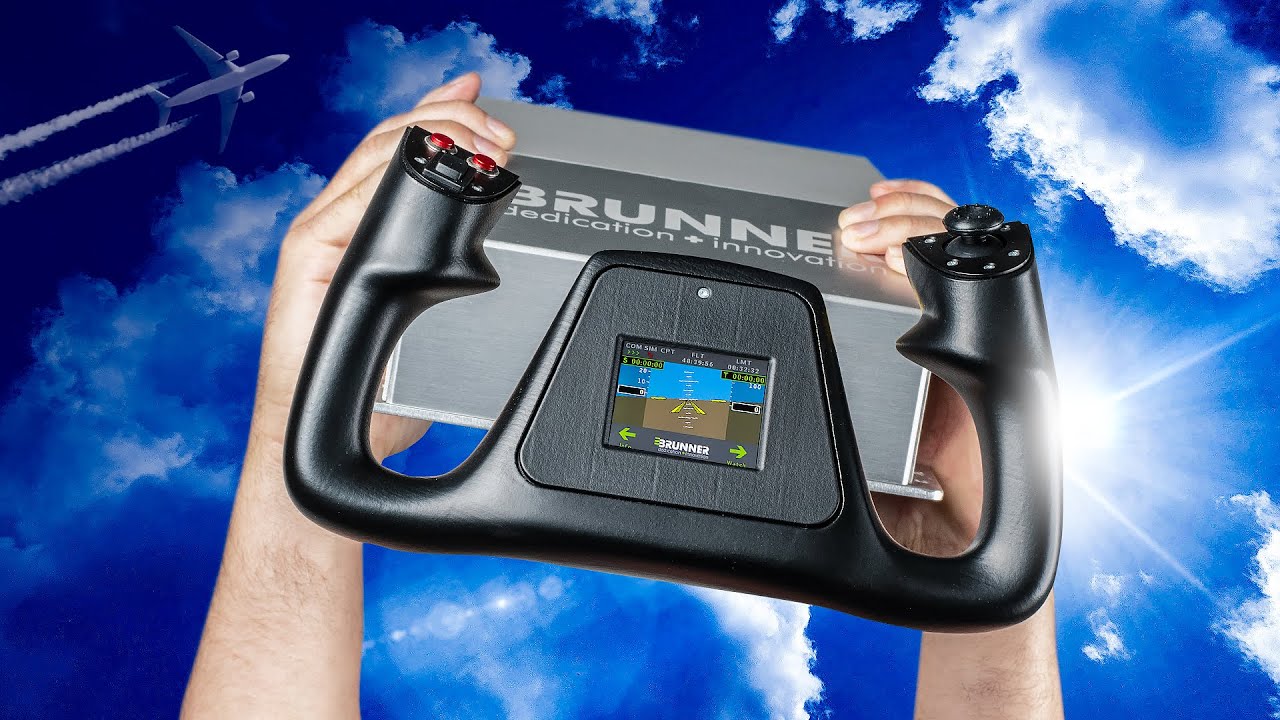
The Brunner CLS-E MK II. The best force feedback yoke I've used, full stop. It's what I fly daily. It's also priced like it. The difference that the Brunner makes is the fidelity and delivery off the important effects plus an engine vibration mode in the SimUX software that will just make you smile. Full Review
The Bottom Line
Buy the cheapest unit that keeps your hands off the keyboard, which is a joystick. Explore. Find your way. Check what the real cockpit of your favourite planes uses. Then make one informed purchase and build your sim deliberately instead of accidentally. The people who regret their hardware are almost never the ones who started cheap. They're the ones who spent big before they knew who they were as a sim pilot.
Frequently Asked Questions
Save on Flight Sim Hardware




Related Reviews
Brunner CLS-E MK II Yoke Review
Brunner
Brunner CLS-E Force Feedback Joystick Review
Brunner
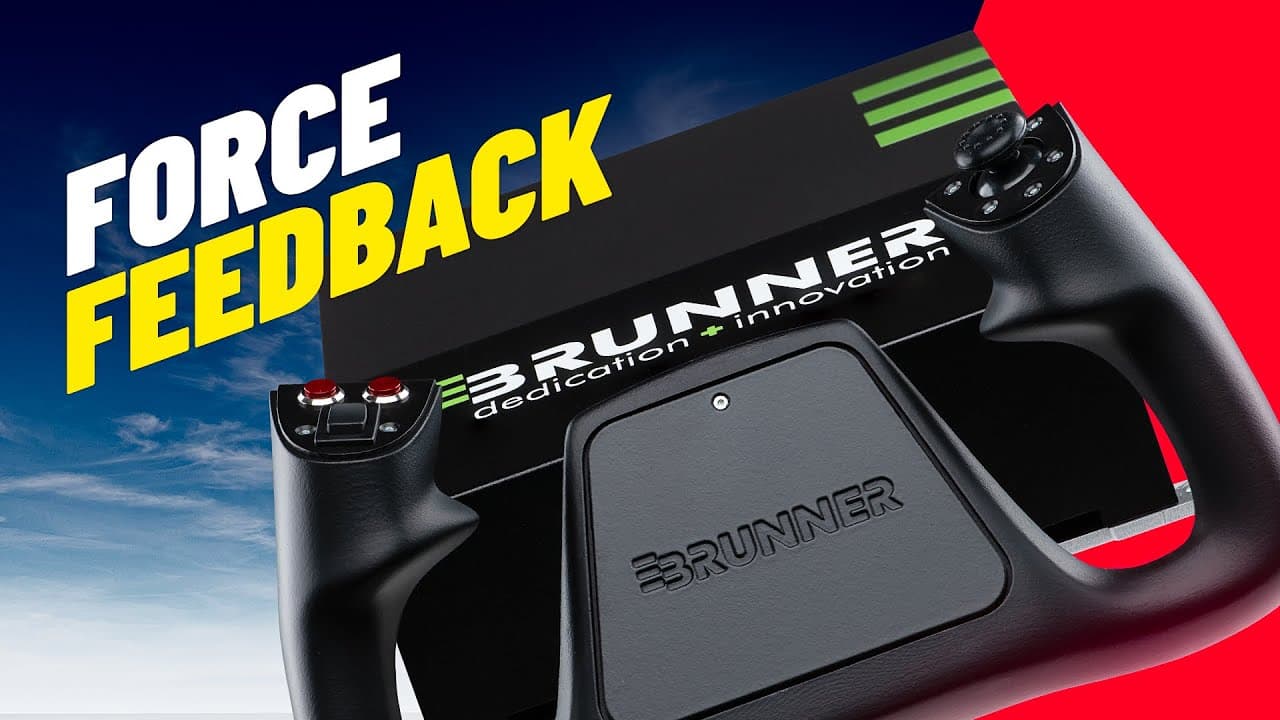
Brunner CLS-E NG Yoke Review
Brunner
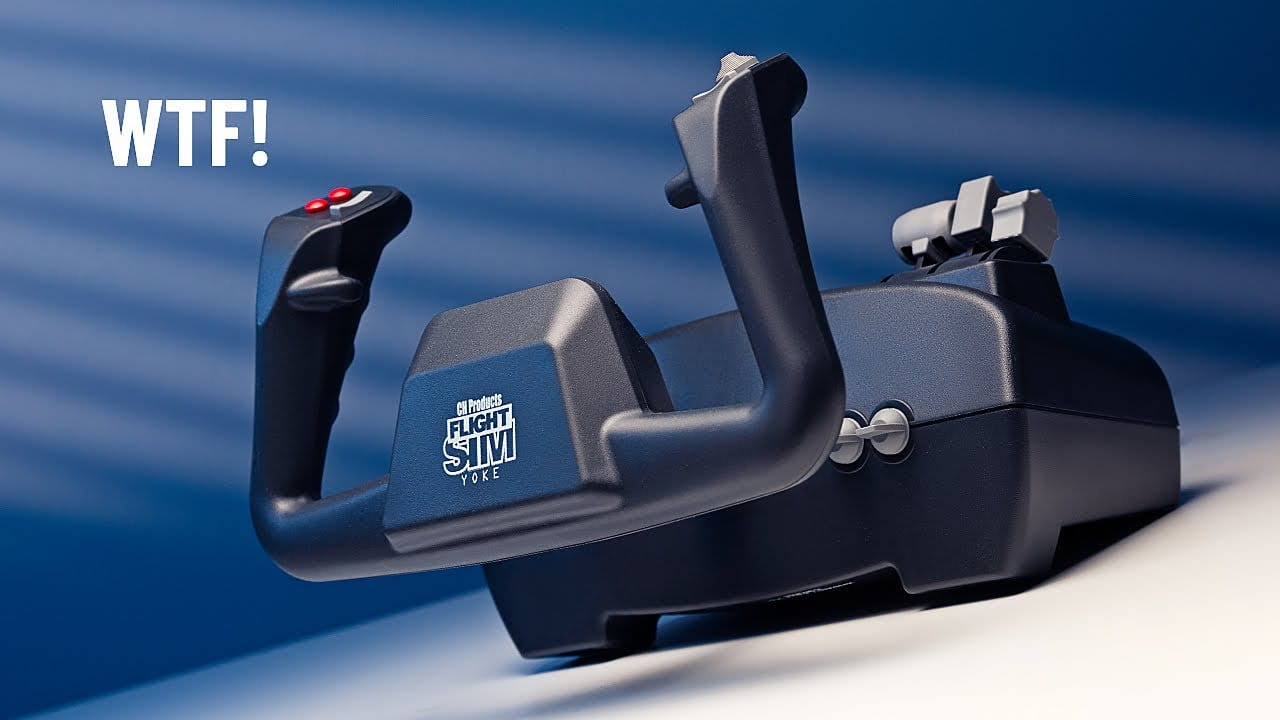
CH Flight Sim Yoke Review
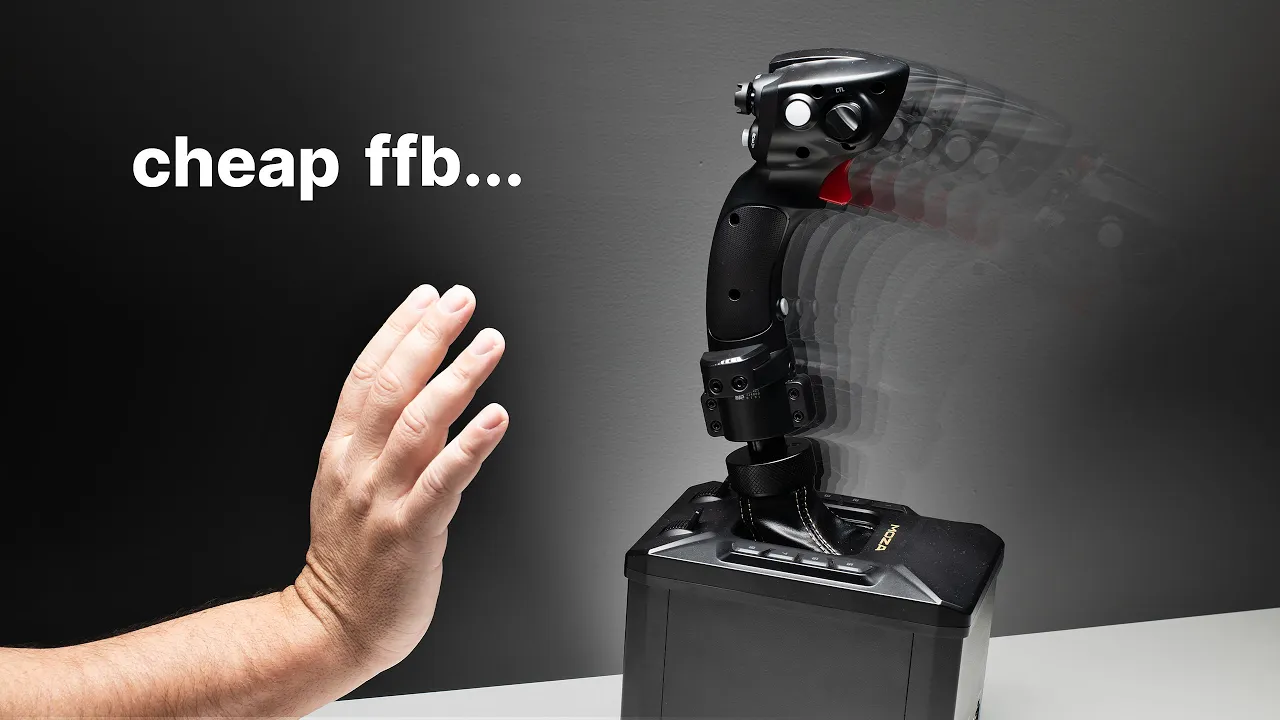
Moza AB6 Force Feedback Joystick Review
MOZA
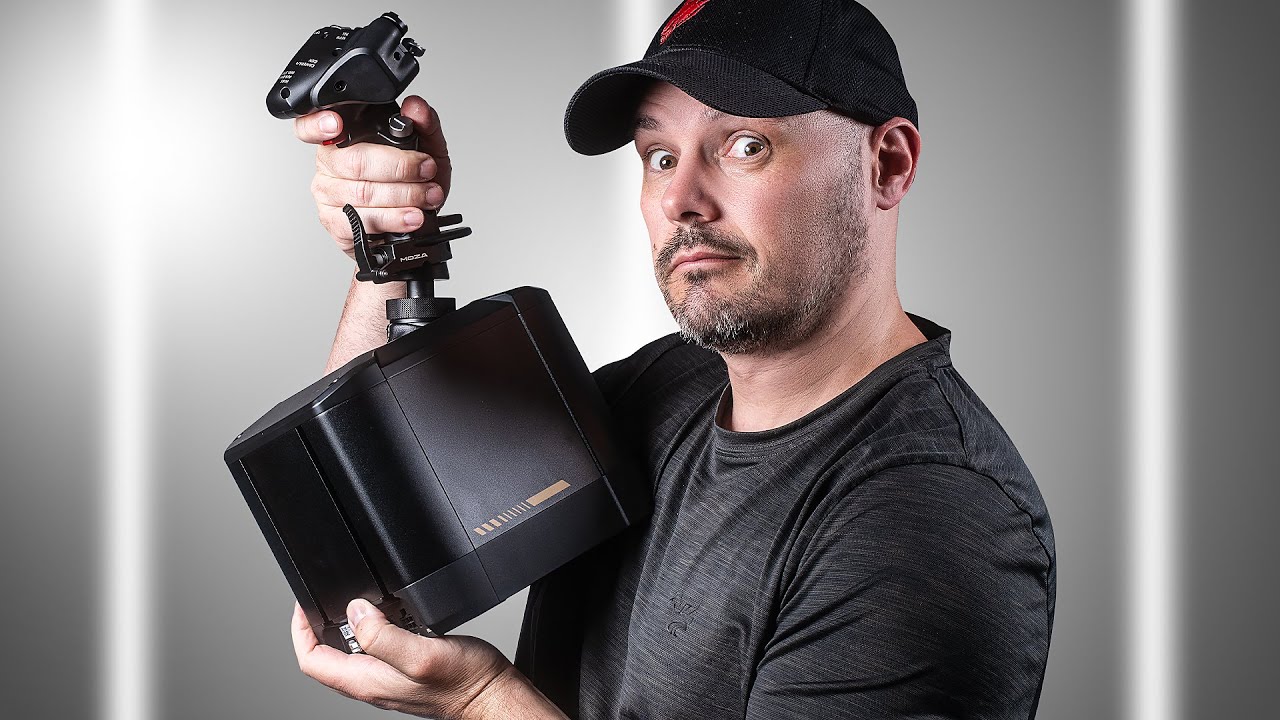
MOZA AB9 Review
MOZA

MOZA AY90 Review
MOZA
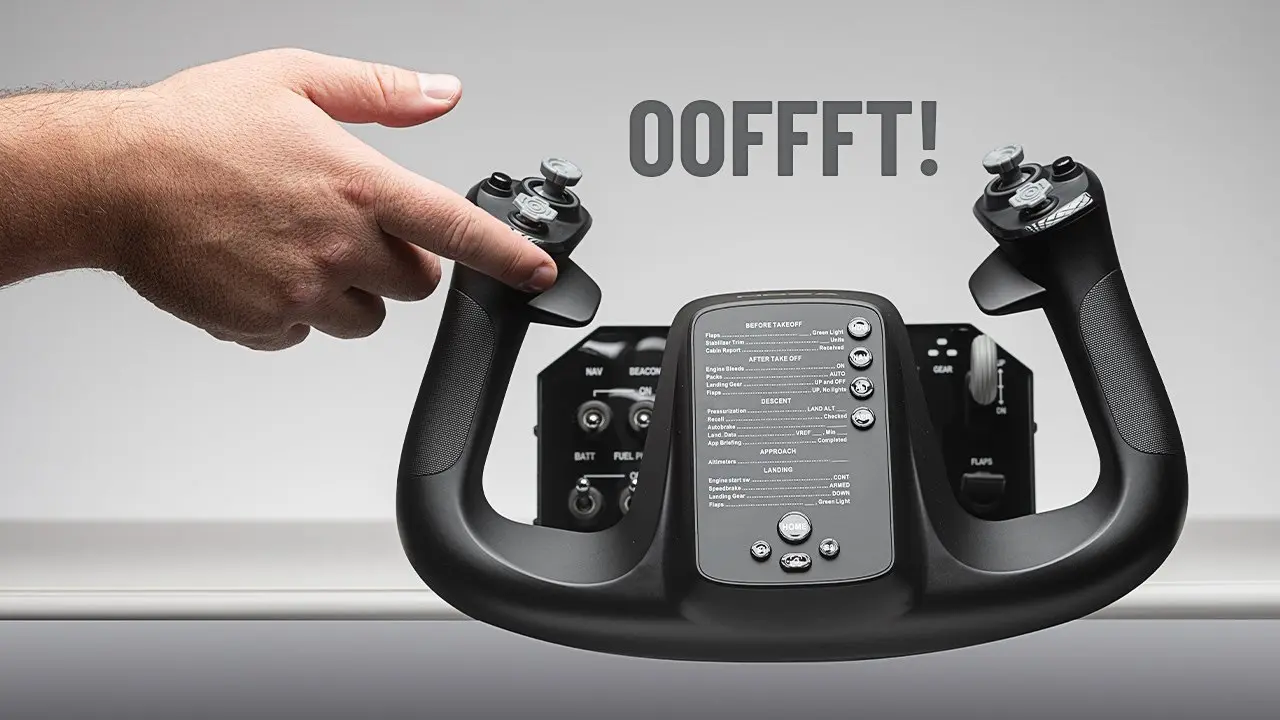
MOZA Force Feedback Yoke Review
MOZA

New Brunner FFB-G Products
Brunner
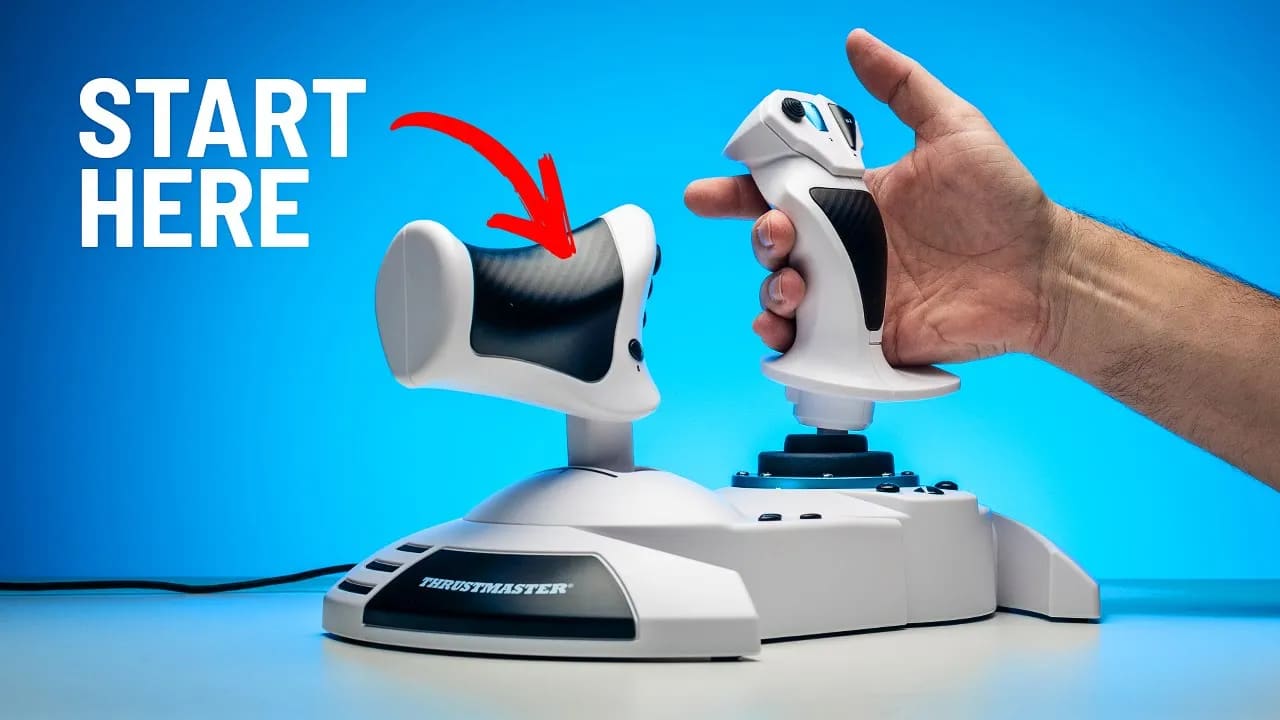
T.Flight HOTAS Review
Thrustmaster
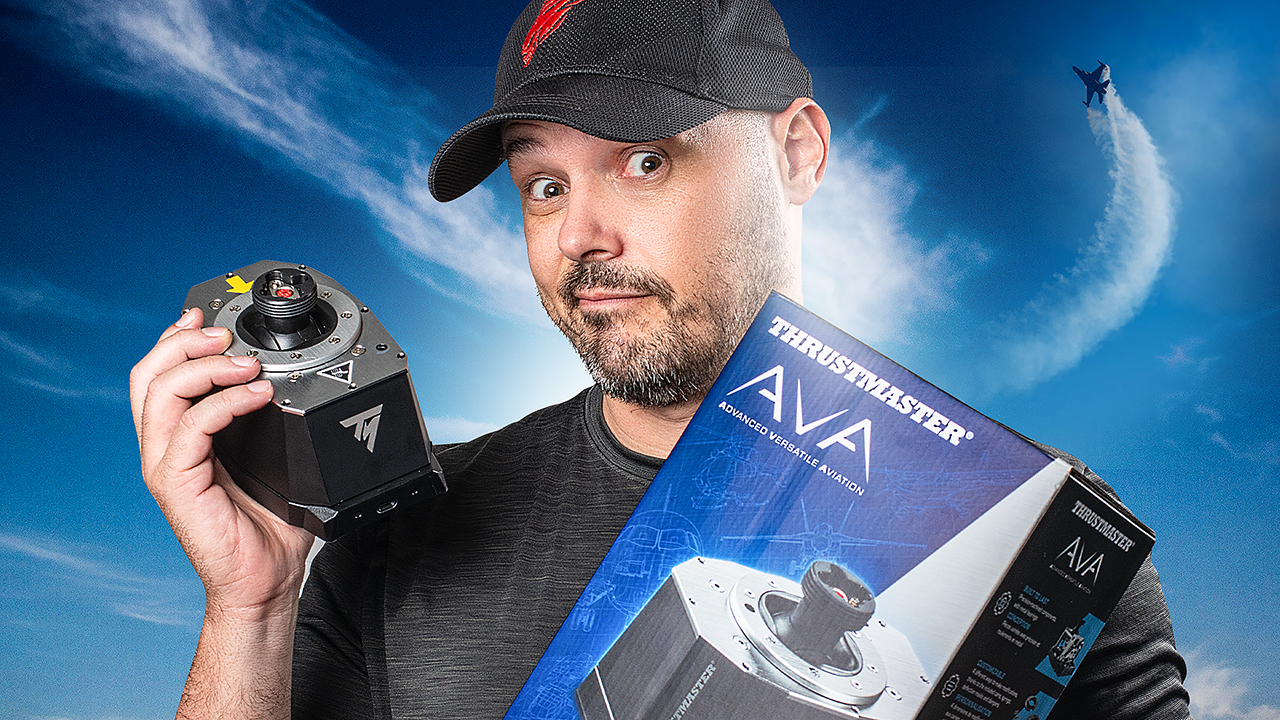
Thrustmaster AVA Base Review
Thrustmaster
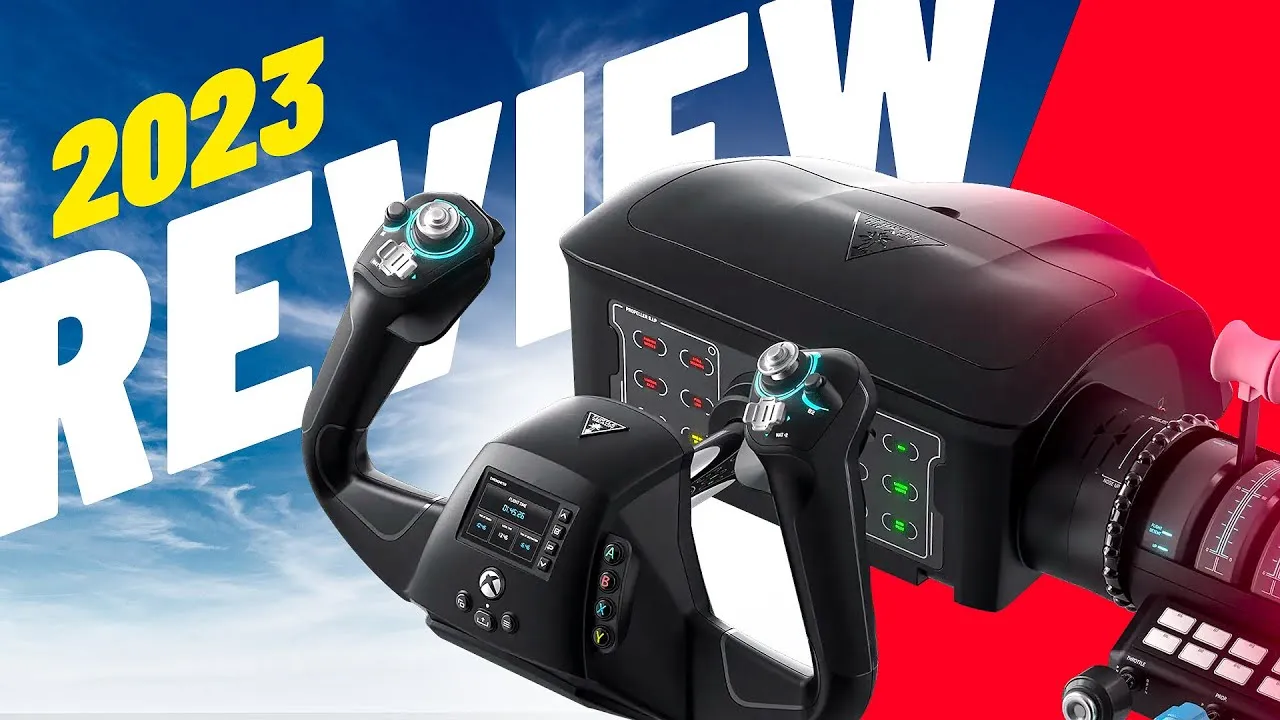
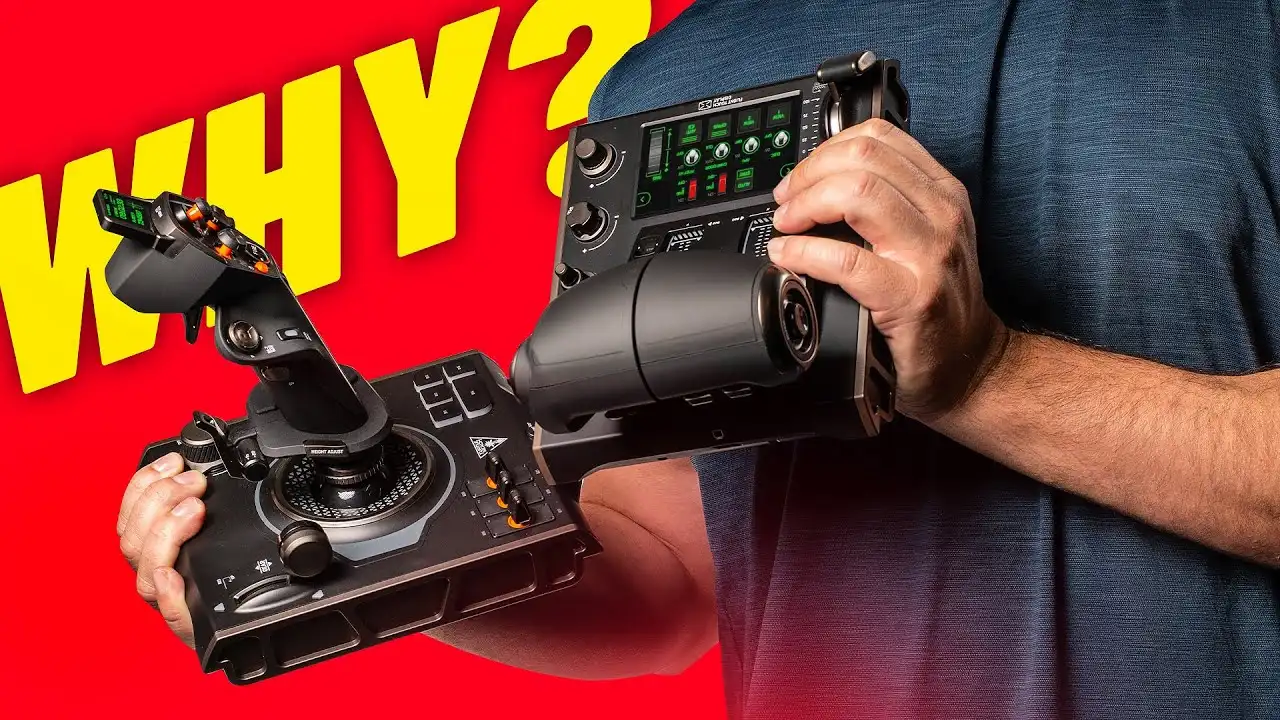
Turtle Beach Velocity One Yoke Review
Turtle Beach
Velocity-flight-deck-review
Turtle Beach