Thrustmaster TPR Rudders Review

Steve | G-LOC MEDIA
Flight simulation enthusiast and YouTuber
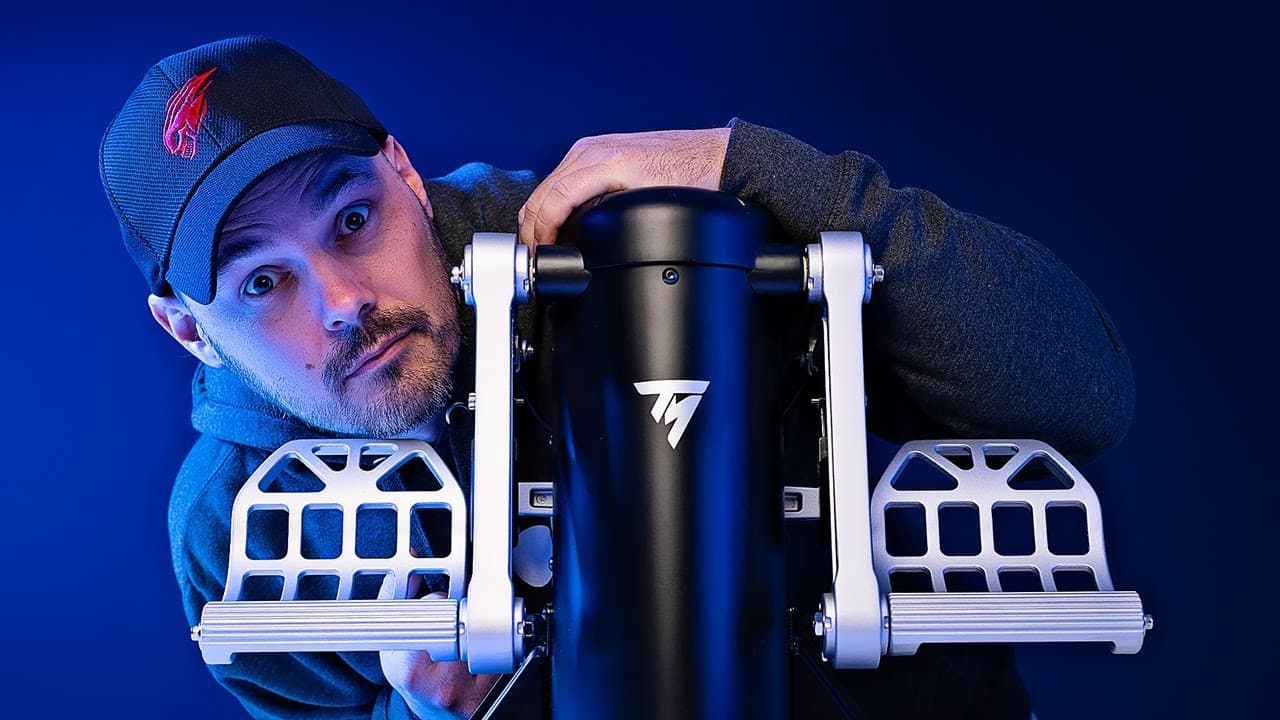
The Thrustmaster TPR Pendular Rudder Pedals are still one of the best mid-to-high-end rudder options on the market at around $600, with their pendular linear motion setting the Thrustmaster TPR apart from pretty much every other rudder pedal in this price range. The smoothness across the full range of travel is genuinely unmatched, and the level of adjustability on offer means the Thrustmaster TPR will fit comfortably into almost any sim setup from a desk to a full cockpit build. The brake feel is a touch lighter than competitors like WinWing, but that's really the only meaningful knock on an otherwise excellent set of pedals.
Pros
- Pendular motion enhances realism and precision
- Unparalleled smoothness throughout the entire range
- Highly adjustable for tension and pedal placement
- Premium metal construction ensures durability
- Compatible with third-party dampers for added realism
- Performs well in both cockpit and desk setups
Cons
- Price is higher than competitors like Virpil and Winwing
- Brake feel is slightly lighter compared to competitors
- Wide design requires adequate space (525 mm width)
- Adding a third-party damper complicates placement against walls
Overview and Price Point
As the release of Microsoft Flight Simulator 2024 looms, many flight sim enthusiasts are re-evaluating their setups. With a competitive market brimming with rudder pedal options, one question remains: do the Thrustmaster TPR Pendular Rudder Pedals still hold their ground?
In this comprehensive review, we’ll dive into their features, build quality, performance, and how they stack up against competitors like Virpil and Winwing rudder pedals. By the end, you’ll know whether the TPRs are the right fit for your setup and your budget.
The Thrustmaster TPR rudders sit in the mid-to-high-end range, priced at around $600 USD, depending on sales and availability. This positions them squarely between mid-budget-friendly rudders and ultra-premium options like the Virtual Fly Ruddo+.
While not the cheapest, the TPRs offer unique features that could justify their price for serious simmers.
Key Features of the Thrustmaster TPR Rudders
1. Pendular Motion for Realism
The standout feature of the TPRs is their pendular motion. Unlike rudder pedals that pivot in an arc (like those from Virpil or Winwing), the TPR pedals move in a linear, forward-and-back motion. This design mimics the feel of real aircraft pedals, enhancing realism and precision.2. Adjustable Pedal Positions
Thrustmaster allows users to adjust the angle of the pedals for maximum comfort. While tweaking these settings requires some screwing and unscrewing, and can be a bit fidgety, once dialed in, the adjustments are largely set-and-forget.3. Spring Tension Adjustment
The TPRs include a user-friendly spring tension adjustment system. Users can configure the tension using one or two springs, altering leverage points to achieve the desired resistance.4. Hall Effect Sensors
The TPRs use contactless Hall effect sensors, ensuring long-term reliability and precision. This technology is standard in high-end pedals and guarantees smooth, accurate input over time, whilst also providing longevity.5. Mounting Options
The pedals come with a base plate featuring pre-drilled holes for hard mounting. While they can be used on a desk setup, positioning them against a wall or solid surface is recommended to minimize movement during use. However, the best option is to always hard mount if you can.6. Compatibility with Third-Party Dampers
For an even smoother experience, you can add a third-party CubeSim damper. This modification adds weight to the pedals, improving realism and control. However, adding the damper may make it difficult to position the unit flush against a wall. Check out the video for more details.Design and Build Quality
At first glance, the TPRs impress with their industrial, mechanical aesthetic. The pedals are constructed primarily from metal, ensuring durability and a premium feel. The central column adds to the unit’s rigidity, making them an excellent choice for cockpit setups.Brake Pedals
The vertical angle of the brake pedals is highly adjustable, catering to various seating positions—from desk setups to full cockpits. This adjustability is a standout feature, especially for simulating different aircraft types, and that range of angle the pedal provides should be great for almost any flight sim setup.However, the brake feel is lighter compared to competitors like Winwing. While not a dealbreaker, it’s worth noting if you prioritize weighted, smooth brake action, these might not be for you.
Performance and Usability
Smoothness and Accuracy
The TPR pedals excel in smoothness, rivaling the Virpil ACE. Inputs are precise, and the pendular motion provides a natural feel that’s ideal for both taxiing and flight.Adjustability
From pedal placement to spring tension, the TPRs allow users to fine-tune their experience. This level of customization ensures comfort and usability, regardless of your setup or preferred aircraft type, they will accommodate most setupsDesk Setup vs. Cockpit Setup
While the TPRs are best set for full cockpits, they perform surprisingly well in under-desk setups. If positioned against a wall, they remain stable during use. For dedicated simmers without a full cockpit, these pedals are among the best options available.Software and Calibration
Thrustmaster provides calibration software for fine-tuning the pedals. It’s straightforward to use and allows you to reset the centre position if needed. While minimal compared to other brands’ software offerings, it gets the job done efficiently. There’s nothing more to really tell here. Just make sure you download the Firmware update from Thrustmasters website and also the calibration software. Run both of those at the start and you’ll likely never have to do it again.Final Verdict
The Thrustmaster TPR Pendular Rudders remain a standout choice in 2024. While pricier than competitors, their pendular motion, smoothness, and adjustability make them a worthwhile investment for simmers seeking realism and precision.If you prioritize smoothness and linear motion, the TPRs are unmatched in their price range. For desk setups, they are arguably the best option available. However, if budget constraints are a concern, competitors like Virpil and Winwing offer excellent alternatives with slight trade-offs.
For those ready to invest in a premium flight sim experience, the TPRs deliver on performance, durability, and immersion.
Frequently Asked Questions
Affiliate Disclosure: Some links on this page are affiliate links. If you click and make a purchase, I may earn a small commission at no extra cost to you. I only recommend products I personally believe in.